Water Heater Troubleshooting: Common Issues and When to Call a Pro
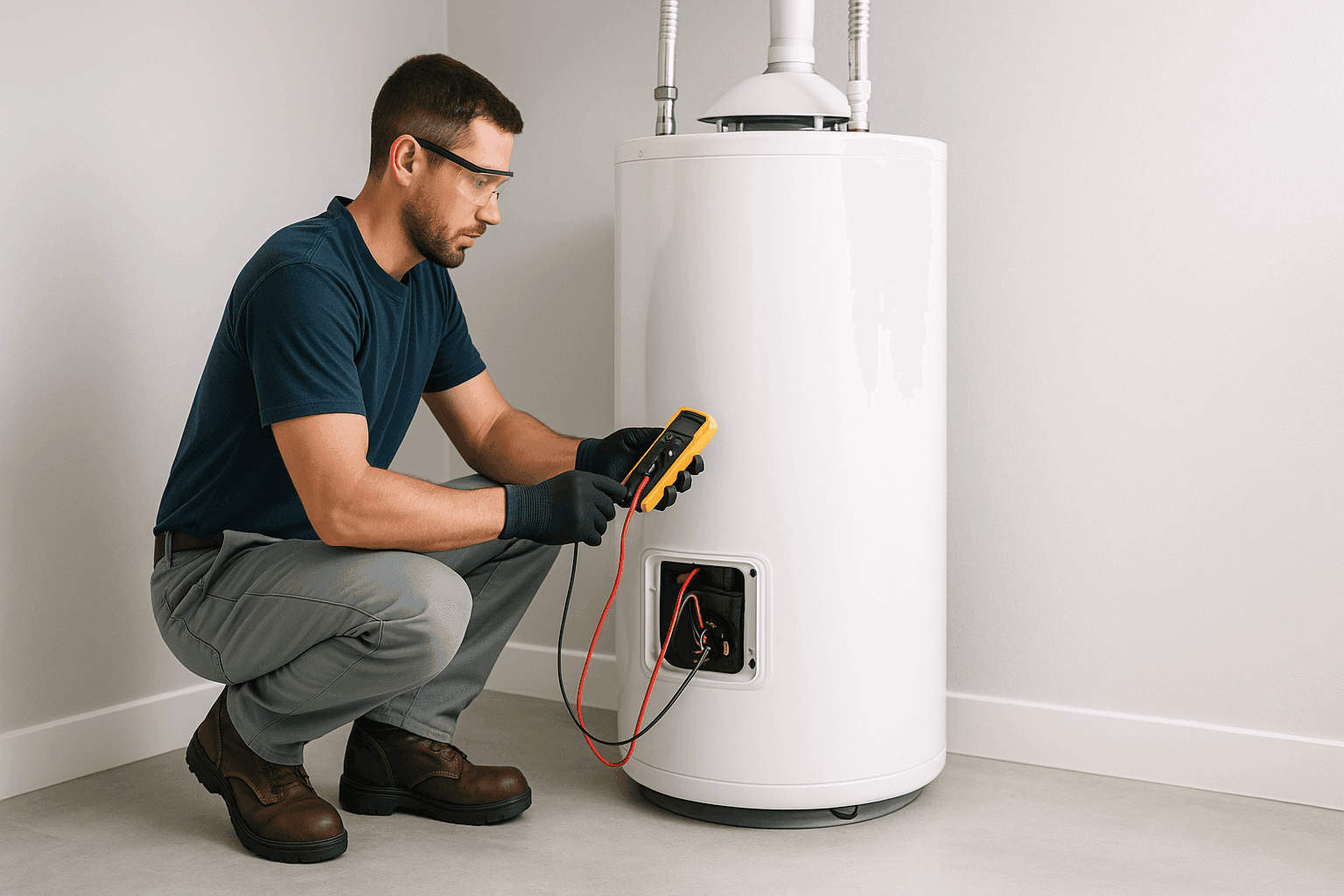
Have you ever hopped in the shower, only to be met with an icy blast that makes you jump back like you’ve touched a live wire? Or maybe you’ve heard your water heater grumbling in the basement, sounding like a coffee pot on overdrive. These moments spark questions—and concern.
At Jelinski Plumbing & Heating, we know water heater troubles can throw a wrench in your day, whether you’re managing a busy household or running a commercial facility. Let’s walk through the most common headaches, smart troubleshooting steps, and how to decide if it’s time to pick up the phone for professional plumbing help.
Common Water Heater Problems: What You Might Notice
Water heaters rarely quit quietly. Here’s what to watch for:
- No hot water: The classic cold shower scenario.
- Strange noises: Banging, rumbling, or popping coming from the tank.
- Leaks or puddles: Water around the base or dripping from the pipes.
- Temperature swings: Water that’s too hot, too cold, or changes unexpectedly.
- Discolored or smelly water: Rusty tinge or a rotten egg odor.
- Low water pressure: Hot water trickles instead of flows.
Think of your water heater like the heart of your plumbing system—it keeps everything running smoothly. When it skips a beat, the symptoms tell a story.
Quick Safety Checklist 🛑
Before you touch a thing, run through this list. Safety always comes first.
- Power off: For electric heaters, flip the breaker. For gas, turn the gas valve to “off.”
- Let it cool: Hot water and steam can cause severe burns.
- Check for gas smell: If you smell rotten eggs, leave immediately and call your gas provider.
- Look for water around electrical parts: If you see any, don’t touch—call a pro.
- Inspect the area: Make sure the space is clear and dry.
When in doubt, pause. No hot water is better than a hospital trip.
DIY: What You Can Safely Check
Some issues are straightforward—others, not so much. Here’s what you can look into without risking safety or voiding the warranty.
For Both Electric & Gas Water Heaters
- Thermostat setting: Is it set between 120–140°F (49–60°C)?
- Pilot light (gas models): Is the flame burning blue? If it’s out, follow manufacturer instructions to relight.
- Circuit breaker: Has it tripped? Reset if needed.
- Sediment buildup: Drain a few gallons from the tank’s drain valve (with power/gas off) to check for debris.
- Visual inspection: Note any rust, corrosion, or damp spots.
What NOT to Do
- Don’t open panels with exposed wiring.
- Don’t attempt gas line repairs or adjustments.
- Don’t ignore leaks—small ones can lead to big damage.
When to Call a Pro (and Why It Matters)
Some problems need an experienced hand. Here’s when it’s time for Jelinski Plumbing & Heating to step in:
- Water pooling under the heater: This signals a possible tank breach or failed valve.
- No hot water after resetting everything: Could be a faulty element, thermostat, or gas control.
- Persistent or loud noises: Sediment may be baked onto the tank, or there’s internal damage.
- Rusty, cloudy, or smelly water: This could indicate tank corrosion or bacteria buildup.
- Gas leaks or rotten egg odor: Evacuate and call immediately—this is an emergency.
- Repeated tripped breakers or blown fuses: Electrical issues are not a DIY fix.
If your water heater is under warranty, tampering with it could void coverage. Most manufacturers recommend professional service for anything beyond basic adjustments.
What the Pros Do On Arrival
Expect a Jelinski Plumbing & Heating technician to take a systematic approach:
- Full safety check: Gas leaks, electrical hazards, and code compliance.
- Testing components: Multimeter checks for heating elements, thermostats, and sensors.
- Inspecting for leaks: Valves, tank seams, and pipe connections.
- Flushing tanks: Removing sediment to restore efficiency.
- Checking pressure relief valve: Ensures safe operation.
- Clear repair plan: We’ll explain what’s needed, estimated timeline, and answer your questions.
Our team brings the right tools and training, minimizing downtime and risk.
Prevention & Maintenance: Make It Last Longer 🛠️
Like changing oil in your car, a little routine care goes a long way.
- Flush the tank annually: Clears sediment that can cause overheating and noise.
- Inspect the anode rod: This “sacrificial” part prevents rust inside the tank; replace if less than ½” thick.
- Test the temperature and pressure relief valve: Lift and release the lever every six months.
- Check for drips: Inspect around valves and connections monthly.
- Set the right temperature: 120°F is safe and energy-efficient.
The U.S. Department of Energy and most manufacturers recommend these steps to keep your water heater running smoothly.
Costs & Time Factors
Water heater repairs can vary—think of it like bringing your car to the shop. Small fixes (like replacing a thermostat or flush) are quick—often less than an hour. Larger repairs, or a full replacement, will take longer.
- Minor repairs: 30–90 minutes
- Major repairs: 1–3 hours
- Full replacement: 3–5 hours, depending on size and location
Parts and labor both play a role. Emergency or after-hours repairs may cost more due to urgency.
When It’s an Emergency 🚨
Some situations can’t wait:
- Major leaks: Shut off water supply and call right away.
- No hot water for critical needs: Hospitals, care facilities, or commercial kitchens can’t operate safely without hot water.
- Gas smell or carbon monoxide alarm: Leave the building and contact emergency services, then call for plumbing help.
Delays can lead to property damage, health risks, and insurance headaches.
FAQ: Water Heater Worries Answered
Q: How long should a water heater last?
A: Most last 8–12 years. Tankless models can go longer with regular care.
Q: Is it normal for my water heater to make noise?
A: Some humming or gentle popping is normal. Loud banging or rumbling signals sediment buildup.
Q: Can I fix a leaky valve myself?
A: Tightening connections may help, but if it persists, call a pro. Never ignore leaks.
Q: Should I turn off my heater if I leave for vacation?
A: Yes, set it to “vacation” mode or lower the temp. For extended absences, consider shutting off water supply.
For more on safety and best practices, consult resources from the Canadian Standards Association (CSA) and your local building codes.
Local/Seasonal Considerations: Protect Your Hot Water
Cold snaps can hit hard. Here’s how to stay ahead:
- Insulate pipes and tank: Especially if your heater is in an unheated space.
- Check for drafts: Seal doors and windows near the unit.
- Schedule annual maintenance before winter: Prevents frozen pipes and surprise breakdowns.
- Monitor water pressure: Sudden drops can signal a freeze or blockage.
If you’re searching for “Sewer Line Installation near you” or help with any plumbing emergency, remember—prevention is your best defense when temperatures drop.
Got water heater worries? Don’t let a small problem become a flood.
Call Jelinski Plumbing & Heating now — or reach us anytime at 844-484-6591 .