Water Heater Repair vs. Replacement: How to Decide What’s Best
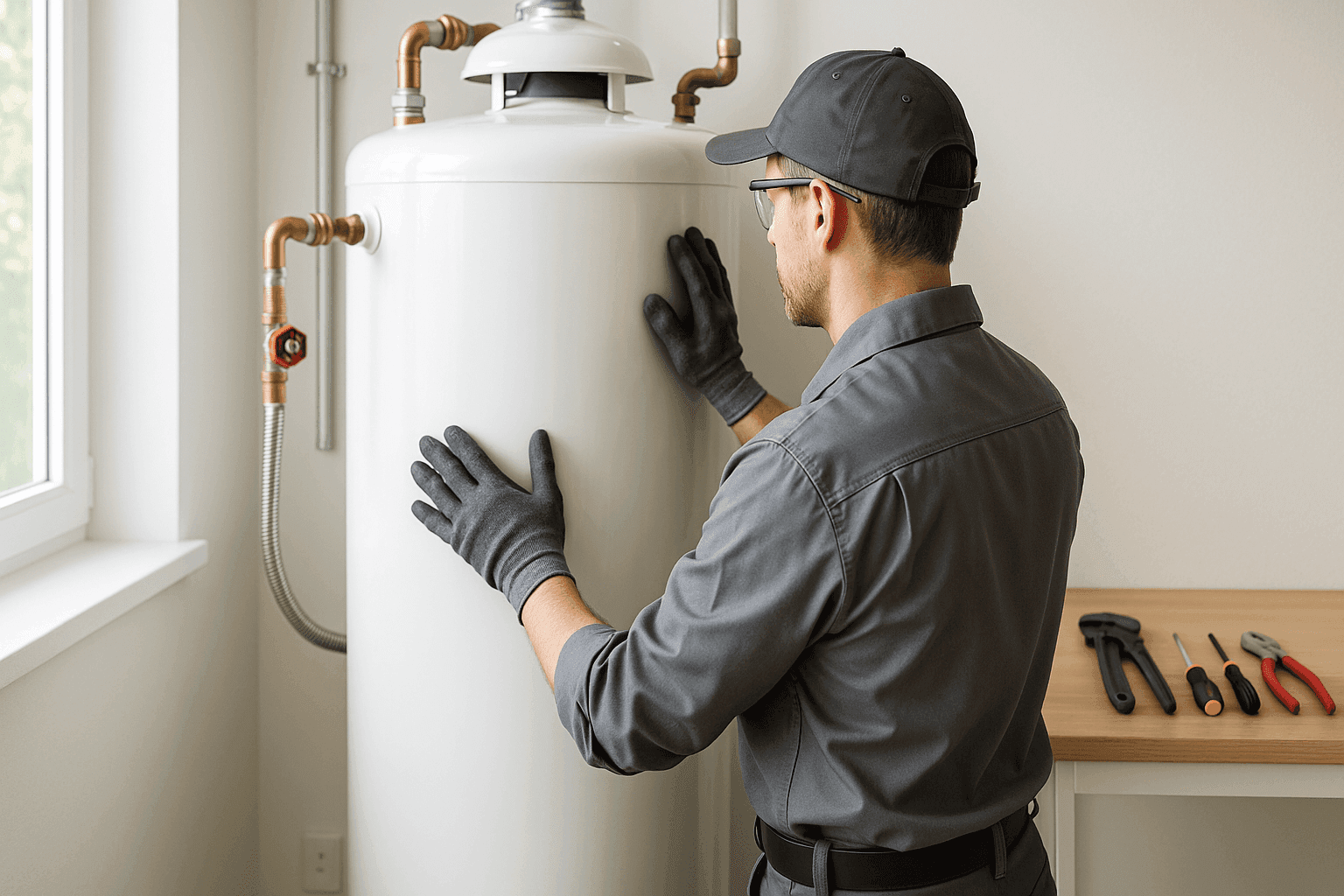
Is your morning shower suddenly ice-cold? Maybe you hear strange banging from your basement. Or you catch a puddle where there shouldn’t be one. The truth is, water heater trouble can sneak up on anyone—at home or at your business. And when it does, the big question always comes up: Is it time to repair, or is replacement your best move?
At Jelinski Plumbing & Heating, we know this choice can be stressful. You don’t want to fix the same issue twice. You definitely don’t want to spend more than you have to. This guide will help you weigh your options, spot warning signs, and make the choice that keeps your hot water (and peace of mind) flowing.
How Water Heaters Work
Water heaters are like the quiet workhorses in your home or building. Most fall into two types: tank (storage) and tankless (on-demand). Tank models heat and store water, releasing it when you turn on a tap. Tankless units heat water only as needed, using high-powered burners or electric coils.
Every water heater has a thermostat, heating element (or gas burner), a tank or heat exchanger, and safety features like pressure relief valves. When these parts work together, you get steady hot water for showers, dishes, and laundry. But when one part fails, you might notice it right away—or not until things get messy.
Common Water Heater Problems ⚠️
A water heater rarely fails silently. Here’s what to watch for:
- Inconsistent Hot Water: Hot and cold surges, or lukewarm water that never gets hot enough.
- Strange Noises: Rumbling, popping, or banging—often caused by sediment buildup.
- Leaks: Water pooling under or near the tank, sometimes from the tank itself or a faulty fitting.
- Rusty or Discolored Water: Rust can signal corrosion inside your tank.
- Low Water Pressure: Sediment, scale, or faulty valves can choke off water flow.
- Age of the Unit: Most water heaters last 8–12 years (tank models) or up to 20 years (tankless), but performance drops over time.
If you notice any of these, it’s time to take a closer look.
When Repair Makes Sense
Sometimes, a repair is the smart way to go. Here’s when a fix is likely your best bet:
- Unit Is Still Young: If your water heater is less than 8 years old and well-maintained.
- Minor Issues: Problems like a worn-out heating element, faulty thermostat, or a leaky valve are usually easy and affordable to repair.
- No Signs of Corrosion: If the tank isn’t rusting or leaking from the body.
- First-Time Problems: If this is the first time you’ve noticed an issue, particularly with newer units.
A skilled plumber can often swap out a part, flush the tank, or tighten a valve. Quick fixes like these can add years to your system’s life.
When to Replace
Replacement is a bigger commitment, but sometimes it’s the only sensible choice. Consider it if:
- Age Is a Factor: Tank water heaters over 10 years old (or tankless over 20) are living on borrowed time.
- Frequent Breakdowns: If you’re calling for service more than once a year, costs add up fast.
- Major Leaks: A leaking tank body can’t be patched. At this stage, replacement is the only safe option.
- Corroded Tank: Rust on the tank means the inside is breaking down.
- Reduced Efficiency: Rising energy bills or slow hot water can mean your old heater is working overtime (and costing you).
- Outdated Model: Older heaters may not meet current safety or efficiency standards—replacement can lower your bills and boost comfort.
Think of it like an old car: If the repairs cost half as much as a new one and it keeps breaking down, it’s time to invest in a replacement.
Estimated Costs and Lifespan 💡
Money matters. Here’s what to expect:
- Repair Costs: Minor repairs (thermostat, valve, heating element) often range from $150–$500 depending on the part and labor.
- Replacement Costs: New water heaters, including installation, typically run from $1,000–$3,500 for tank models, or $2,000–$5,500 for tankless systems. Commercial properties may be higher.
- Lifespan: Tank water heaters last 8–12 years on average; tankless can reach 15–20 years with good care.
- Efficiency Savings: Newer units can cut energy use by 10–50%, which adds up over time.
Check your owner’s manual or the model label for the age of your system. Consider long-term savings, not just the upfront bill.
Warning Signs: When to Take Action
Don’t ignore these:
- Hot water runs out quickly or isn’t hot
- Strange noises that get louder with time
- Visible rust or corrosion on the tank
- Water pooling—even small leaks matter
- Frequent need to reset the unit or pilot light
If you see more than one warning sign, replacement is likely the safer bet.
Energy Efficiency and Long-Term Savings
Upgrading your water heater isn’t just about hot showers. It’s about energy bills, too. According to the U.S. Department of Energy, water heating is the second-largest energy expense in most homes. Newer models—especially Energy Star-rated units—use less gas or electricity, reducing your monthly costs and your carbon footprint.
Don’t forget: some local codes require high-efficiency models for replacement (check with your local authority or a licensed plumber).
Choosing a Qualified Professional
Water heater work isn’t a DIY project for most folks. Gas lines, high voltage, and scalding water make repairs risky.
Here’s what to look for in a plumber:
- Proper Licensing and Insurance: Ask for proof. It protects you and your property.
- Up-to-Date on Codes: Local and national plumbing codes (like the IPC and UPC) change. A pro stays current.
- Experience With Your Type of Heater: Tank, tankless, gas, or electric—each has its quirks.
- Transparent Pricing: Get a clear estimate before work begins.
- Warranty Knowledge: Reputable plumbers explain your options and help with warranty claims if eligible.
Don’t be afraid to ask questions. A good plumber welcomes them.
Understanding Warranty Options 📝
Your water heater likely has a manufacturer’s warranty—often 6–12 years for tank models, sometimes more for tankless. But coverage can be voided by improper installation, neglect, or unauthorized repairs.
- Check Your Paperwork: Know what’s covered and for how long.
- Keep Records: Save receipts, service logs, and warranty info.
- Professional Installation: Many warranties require certified installation and regular maintenance.
If your heater is still under warranty, ask your plumber if the repair or replacement could be covered.
Assessing Your Situation: Avoid Costly Mistakes
Before making a decision:
- Inspect Your Heater: Look for rust, leaks, and check the age.
- Estimate Costs: Compare the repair bill versus replacement. If repairs are more than 50% of a new unit, replacement often makes sense.
- Think Ahead: Factor in efficiency, reliability, and safety.
For business owners, downtime can be costly. Don’t wait until the system fails completely—plan ahead if your unit is aging.
Practical Tips for Homeowners and Businesses
- Flush your tank yearly: Removes sediment and keeps efficiency high.
- Check your anode rod every 2–3 years: This part protects your tank from rust.
- Install leak detection: Consider a leak sensor, especially if your heater is in a finished basement.
- Schedule regular inspections: Preventative maintenance can extend your system’s life.
The Canadian Standards Association and U.S. Department of Energy offer guidance on water heater maintenance and safety. Always follow local plumbing codes.
Frequently Asked Questions
How do I know if my water heater is about to fail?
Watch for leaks, strange noises, rusty water, and inconsistent temperature. Age is a big factor—units over 10 years old are at higher risk.
Can I repair a leaking tank?
If the leak is from a valve or fitting, yes. If it’s from the tank itself, replacement is the only option.
Are tankless water heaters worth the investment?
They last longer and are very efficient, especially for businesses or larger families. Upfront costs are higher, but long-term savings can be significant.
Who should install or repair my water heater?
Always use a licensed plumber familiar with your system. This keeps you safe and preserves your warranty.
What About Plumbing Codes and Safety?
Water heater installation and replacement must comply with the latest plumbing and gas codes. This isn’t just paperwork—it’s about safety. Proper venting, pressure relief valves, and correct pipe sizing matter. Residential and commercial codes can differ. Always check with a licensed plumber who follows the National Plumbing Code of Canada or the International Plumbing Code (IPC).
Should You Act Now or Wait?
If your heater is showing its age or breaking down often, waiting can mean more damage, higher bills, and even water damage. For business owners, hot water is often essential—don’t risk unplanned downtime.
If you’re facing repeated repairs, major leaks, or rising energy costs, it’s time to look at replacement. But for newer units with minor issues, a repair can often buy you more years of service.
Ready to make the call? Whether you need a quick fix, a full replacement, or just honest advice, Jelinski Plumbing & Heating is here to help. We handle everything from leak detection to water heater installation, and even Sewer Line Installation near you.
Call Jelinski Plumbing & Heating now — or reach us anytime at 844-484-6591 .