How to Diagnose Common Plumbing Leaks Before They Get Worse
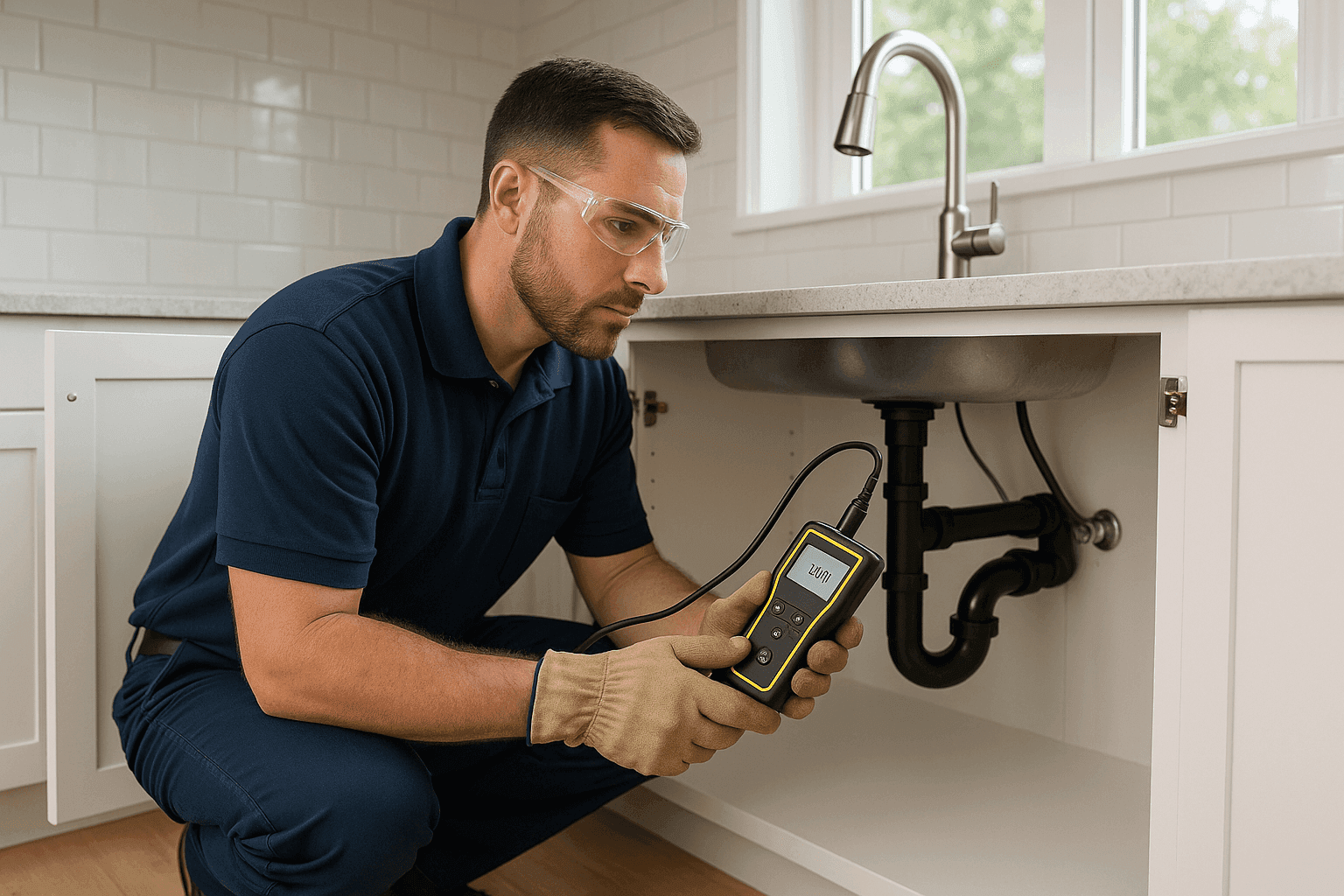
When water starts to show up where it shouldn’t—under your sink, behind a wall, or pooling in the basement—it can feel like a small problem. But even tiny plumbing leaks have a sneaky way of growing into huge headaches. At Jelinski Plumbing & Heating, we’ve seen firsthand how small drips can become big disasters if ignored.
Whether you manage a busy commercial property or care for a family home, catching leaks early matters. Here’s how you can spot trouble fast—and what steps to take next.
Why Early Leak Detection Matters 💧
Think of a hidden leak like a termite in your wall. It’s quiet, persistent, and if left alone, it can eat away at your property’s value. Undetected leaks don’t just waste water—they erode foundations, rot wood, and can trigger mold that spreads through drywall and insulation. The financial fallout? Repairs can run into thousands, especially if insurance won’t cover gradual damage.
- Structural risk: Water breaks down concrete, warps flooring, and peels paint.
- Health concern: Dampness fuels mold. Mold triggers allergies and respiratory problems.
- Cost: The EPA reports that household leaks can waste nearly 10,000 gallons a year. That’s money down the drain.
Catching a leak early is like pulling weeds before they take root—it saves effort, time, and cash.
Top Signs of Plumbing Leaks
Not all leaks announce themselves with a puddle. Some are silent, hiding behind surfaces. Watch for these warning signs:
- Unexplained spike in your water bill: If your usage hasn’t changed, but costs jump, a leak is likely.
- Damp or musty smells: Persistent odors, especially in basements or behind cabinets, often mean water is lingering where it shouldn’t.
- Stained walls or ceilings: Discoloration or bubbling paint is a classic clue.
- Sounds of running water: When no taps are on, listen for hissing or dripping in the walls.
- Soft spots or warping: Floors that feel spongy or tiles that shift can point to moisture beneath.
- Visible mold: Black or green spots along baseboards, under sinks, or near fixtures.
Where to Check
- Under sinks: Open cabinets and inspect for dampness or crusty mineral deposits.
- Behind appliances: Dishwashers and washing machines are notorious for hidden leaks.
- Around toilets and tubs: Look for damp grout, soft flooring, or odd stains.
- Basements and crawl spaces: Check for puddles or white mineral streaks (“efflorescence”) on foundation walls.
DIY vs. Professional Leak Detection
You might feel handy, but not every leak is a quick fix. Here’s how to know what you can handle—and when to call Jelinski Plumbing & Heating.
DIY Leak Checks
- Check your water meter: Turn off all water-using appliances. If the meter still moves, you likely have a leak.
- Food coloring test: Put a few drops in your toilet tank. If color appears in the bowl within 30 minutes, the flapper is leaking.
- Use a flashlight: Shine it under sinks, behind toilets, and along pipes for drips or corrosion.
- Monitor humidity: Sudden dampness in a room, especially with windows closed, is a red flag.
When to Call in the Pros
- Leaks behind walls or under slabs: These require specialized tools—thermal cameras, acoustic sensors, or moisture meters.
- Recurring leaks: If you’ve fixed a spot before and it keeps coming back, the issue could be deeper.
- Complex plumbing systems: Commercial buildings, multi-unit residences, or older homes with original pipes need professional assessment.
Industry standards from the International Association of Plumbing and Mechanical Officials (IAPMO) recommend annual inspections for older systems or after major weather events.
When to Call a Plumber 🚨
Some situations just can’t wait. If you see any of these, don’t delay:
- Sudden loss of water pressure: This could mean a burst pipe.
- Visible water pooling with no clear source: Especially in basements or mechanical rooms.
- Water near electrical outlets or panels: This is a shock hazard—shut off power and call immediately.
- Sewer odors inside: Could signal a broken sewer line—a health risk and a job for professionals.
- Gas smell with water leak: Leave the building and call emergency services.
Don’t risk property or health. Complex leaks often hide in places only experienced plumbers can reach safely.
Practical Tips for Immediate Action
While you wait for help or assess a minor issue, you can:
- Shut off the main water valve: Usually found in basements, garages, or outside near the meter.
- Contain water: Place buckets under drips, lay down towels, and move valuables out of harm’s way.
- Ventilate: Open windows or use fans to dry damp areas.
- Take photos: Documenting the leak and any damage helps with insurance claims.
Preventative Maintenance: Your Best Defense
Routine checks keep plumbing troubles at bay. Here’s how to stay ahead:
- Inspect exposed pipes monthly: Look for rust, drips, or mineral buildup.
- Flush water heaters yearly: Sediment causes leaks and inefficiency.
- Test water pressure: High pressure (above 80 psi) strains joints and causes leaks—install a pressure regulator if needed.
- Install water leak sensors: Place them in basements, under sinks, and near appliances for early alerts.
- Schedule backflow testing: Especially for commercial properties or where code requires.
Following guidelines from the Uniform Plumbing Code (UPC) ensures your plumbing meets safety standards and reduces risk.
How Pros Detect Hidden Leaks
When Jelinski Plumbing & Heating arrives, we use advanced tools and systematic steps:
- Thermal imaging: Detects temperature changes behind walls or under floors.
- Acoustic listening devices: Pinpoint leaks by amplifying the sound of escaping water.
- Moisture meters: Reveal hidden dampness in drywall, wood, or concrete.
- Video inspection: Small cameras travel through pipes to find leaks or blockages—essential for Sewer Line Inspection near you.
Each tool helps zero in on the problem fast—saving you time, money, and unnecessary wall demolition.
The Costs & Risks of Delaying Repairs
Delaying leak repairs is like ignoring a check engine light. The longer you wait, the bigger the issue grows.
- Minor repairs (tightening joints, replacing washers) can be affordable and quick.
- Major leaks (behind walls, under slabs, sewer lines) may require cutting drywall, rerouting pipes, or even structural work.
- Water damage repair (mold remediation, floor replacement) often costs much more than the initial plumbing fix.
Insurance may cover sudden leaks, but not slow, ignored ones. Always act quickly.
FAQ: Common Leak Questions
Q: How do I know if I have a slab leak?
A: Warm spots on the floor, cracks in tile, or the sound of water running with everything off are classic signs.
Q: Does a high water bill always mean a leak?
A: Not always, but it’s a strong clue. Other causes might be faulty fixtures or irrigation problems.
Q: Can leaks cause mold even if I don’t see water?
A: Yes. Moisture trapped in walls or under flooring creates perfect conditions for hidden mold growth.
Q: Is it safe to fix a leak myself?
A: Simple leaks (like under a sink) can be DIY, but anything hidden or near electrical or gas lines should be left to professionals.
Local & Seasonal Considerations 🛠️
In colder months, pipes are more likely to freeze and burst—especially in basements or along exterior walls. Insulate pipes and keep heating consistent. During spring thaws or heavy rains, sump pumps and backflow prevention devices are critical in both homes and businesses.
For commercial properties, routine maintenance is vital—small leaks in one unit can spread quickly, causing headaches for everyone.
Final Thoughts
Leaks start small but rarely stay that way. Armed with these tips, you can spot problems early and know when to call in the right help. Jelinski Plumbing & Heating handles everything from leak detection to Sewer Line Installation near you, for both residential and commercial customers. Don’t let a drip turn into a flood—get ahead of plumbing problems before they get worse.
Call Jelinski Plumbing & Heating now — or reach us anytime at 844-484-6591 .