Emergency Plumbing Checklist: What to Do Before Help Arrives
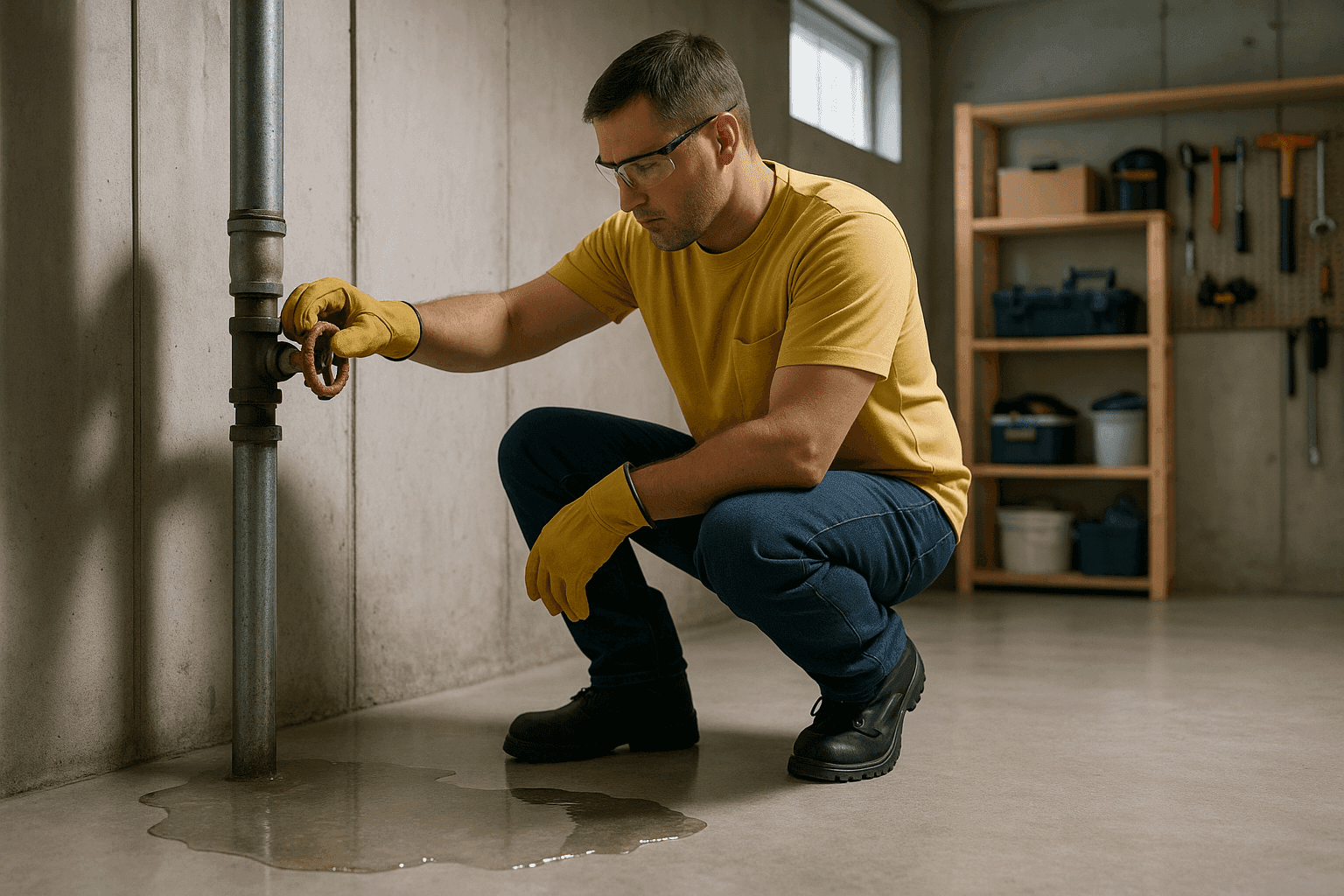
Sudden plumbing disasters can turn a normal day on its head. One minute you’re getting ready for work or opening your business—the next, water is gushing across the floor, threatening to ruin everything in its path. At Jelinski Plumbing & Heating, we know these moments are stressful. That’s why we’re sharing a practical emergency plumbing checklist to help you keep calm, stay safe, and protect your property until help arrives.
Whether you’re a homeowner facing a burst pipe or a business manager dealing with overflowing toilets, preparation is everything. Knowing what to do in the first few minutes can make the difference between a quick fix and long-term damage.
Identifying a Plumbing Emergency 🚨
Not every plumbing problem is a five-alarm fire. But some situations need immediate attention:
- Burst pipes—Water spraying or flooding suddenly.
- Major leaks—Water flowing where it shouldn’t, soaking walls, floors, or ceilings.
- Sewer backups—Sewage bubbling up from drains or toilets, accompanied by foul smells.
- Overflowing toilets—Water pouring over the bowl’s edge, especially if it won’t stop.
- No hot water in winter—Especially dangerous for businesses or multi-family homes.
- Gas leaks—If you smell rotten eggs (sulfur), leave the building immediately and call emergency services.
If you’re not sure, ask yourself: Is water spreading fast? Is there a risk to electrical wiring, structure, or health? If yes, it’s an emergency.
Immediate Actions to Take
Here’s your fast-track safety checklist—think of it as a fire drill for plumbing emergencies:
- Stay calm. Panic clouds judgment. Take a breath.
- Turn off the water at the source (see below).
- Shut off electricity if water is near outlets or appliances. Safety first—don’t touch wet wires.
- Move valuables (furniture, electronics, important papers) out of harm’s way.
- Contain the water with towels, buckets, or mops.
- Open drains and faucets to relieve pressure and help empty pipes.
- Avoid chemical drain cleaners—they can make things worse.
- Call a licensed plumber for emergency plumbing services—don’t wait.
How to Shut Off Your Water Supply
Finding your main water shut-off is like knowing where your fire extinguisher lives. Every minute counts.
For Homes
- Locate the main shut-off valve. It’s usually in the basement, crawlspace, garage, or near the water meter. Look for a round wheel or lever handle.
- Turn clockwise (right) until it stops. This cuts off water to the entire building.
- Check for individual shut-offs under sinks or behind toilets for localized leaks.
For Businesses
- Main valve is typically in a mechanical or utility room.
- Label it clearly ahead of time and make sure staff know where it is.
- Practice turning it off before an emergency strikes.
If you’re ever unsure, call Jelinski Plumbing & Heating for guidance. It’s better to ask than to guess.
Protecting Your Property 🛠️
Water moves quickly—like an uninvited guest at a party, it goes everywhere you don’t want it. Here’s how to limit the chaos:
- Use towels, blankets, or tarps to block the flow and soak up standing water.
- Set up buckets or pans under active drips or leaks.
- Prop up furniture on blocks or aluminum foil to prevent water wicking up legs.
- Remove area rugs and anything porous from the affected zone.
- Ventilate the area—open windows and doors to speed drying and reduce mold risk.
- Take photos of damage for insurance (but only if it’s safe).
Never use electrical appliances on wet floors or near standing water. Safety first, always.
When to Evacuate
Sometimes, the safest move is to get everyone out:
- If sewage is backing up—risk of illness is high.
- If water reaches electrical outlets or the breaker box—risk of electrocution.
- If you smell gas or suspect a gas line issue—evacuate and call emergency services.
- If the ceiling sags or bulges with water—collapse is possible.
When in doubt, get out and call for help.
What NOT to Do
It’s tempting to try DIY fixes in the heat of the moment, but some actions can actually worsen the problem:
- Don’t use chemical drain cleaners—they can damage pipes and make professional repair harder.
- Don’t use open flames to thaw frozen pipes—fire risk is real.
- Don’t ignore leaks just because they seem small. Water damage grows quietly.
- Don’t attempt major repairs if you lack proper tools or plumbing knowledge.
When to Call a Professional
There’s a time for a plunger and a time for the pros. If you experience any of these, call Jelinski Plumbing & Heating immediately:
- Water won’t stop flowing, even after shutting off fixtures.
- You see signs of mold, sewage, or strange smells.
- You can’t locate the source of a leak.
- The problem involves sewer line installation near you, gas lines, or complex systems.
DIY can help with minor clogs or drips, but when the stakes are high, professional intervention is critical. Licensed plumbers have the tools and training to fix the root cause, not just the symptoms.
Simple Plumbing First-Aid Steps
Sometimes, you can stabilize the situation before help arrives:
- For leaks: Use pipe repair tape or a thick rag to wrap the damaged area tightly.
- For overflowing toilets: Remove the tank lid and lift the float to stop the flow, then turn off the supply valve behind the toilet.
- For small clogs: Try a plunger, never a coat hanger or sharp object.
- For water heater leaks: Turn off the cold water supply and set the thermostat to the lowest setting.
Tips for Locating Main Water Shut-Off Valves
- Look near the point where water enters your house or building.
- In cold climates, valves may be inside to prevent freezing.
- For older homes, check below the kitchen sink, in crawlspaces, or near the water heater.
- Commercial spaces may have multiple valves—know them all.
Label your shut-off valves for quick access and peace of mind.
Minimizing Water Damage
The sooner you act, the less you’ll have to repair later:
- Remove standing water using a wet/dry vacuum, mop, or towels.
- Start drying immediately with fans and dehumidifiers.
- Check hidden areas—under cabinets, behind walls, and in basements.
- Call water restoration professionals if flooding is severe.
DIY vs. Professional Help
If the problem is small—like a slow drip under the sink—you might be able to handle it yourself:
- Tighten loose fittings.
- Replace worn washers.
- Use a plunger for clogs.
But for anything bigger—especially involving sewer lines, gas, or major leaks—call Jelinski Plumbing & Heating. Our licensed team handles emergencies, from leak detection to water heater repair, with safety and efficiency.
What Plumbing Pros Do on Arrival
Expect a clear, step-by-step process:
- Assess the situation and identify the source.
- Shut off water, gas, or electricity if needed.
- Isolate and repair the problem—using specialized tools and techniques.
- Check for hidden damage, including mold or structural concerns.
- Advise on next steps, repairs, or alternatives if full replacement is needed.
We’ll never start major work without your approval, and we’ll talk you through every step.
Prevention: How to Be Ready Next Time 📝
Plumbing emergencies can’t always be avoided, but you can make them less likely:
- Schedule regular inspections—catch small issues before they grow.
- Install backflow prevention and check valves.
- Insulate pipes against freezing.
- Learn where all shut-off valves are (and label them).
- Test your sump pump and water heater annually.
- Replace aged or corroded pipes before they fail.
The National Fire Protection Association and local building codes offer additional guidelines for safe plumbing practices.
Costs & Time Factors
Emergency plumbing repairs vary based on the problem, time of day, and parts needed. Here’s what to expect:
- Quick fixes (like unclogging a toilet or stopping a small leak): usually under an hour.
- Major repairs (burst pipes, sewer line repair, water heater installation): can take several hours or more, sometimes requiring follow-up visits.
- Costs depend on labor, materials, and urgency, especially after-hours.
Insurance may cover sudden water damage—check your policy and document everything.
When It’s an Emergency
Remember, it’s better to overreact than ignore a serious problem. Call for help if:
- There’s flooding, sewage, or a suspected gas leak.
- You can’t stop the water or locate the shut-off valve.
- Electrical systems are at risk.
The sooner you act, the less damage—and expense—you’ll face.
FAQ
How do I know if my issue needs emergency plumbing?
If water is actively flooding, sewage is present, or you can’t stop the leak, it’s an emergency. If you’re unsure, call for advice.
Can I use my plumbing after a leak?
Only after a professional has inspected and repaired the system. Using leaking pipes can cause more damage.
Is it safe to use drain cleaners?
No. Chemical drain cleaners can damage pipes and harm the environment. Use a plunger or call a plumber.
Should I try to repair a burst pipe myself?
Temporary measures (like wrapping a leak with tape or cloth) are okay, but full repairs should be left to professionals.
Local and Seasonal Considerations ❄️
In colder months, frozen pipes are a leading cause of emergencies. Insulate exposed plumbing and know how to shut off your water in a hurry. In spring, watch for basement flooding and sump pump issues. Commercial properties should have emergency protocols in place and train staff accordingly.
Plumbing emergencies can be overwhelming, but a clear plan and fast action will help you protect your home or business. Jelinski Plumbing & Heating is always ready to respond, day or night.
Call Jelinski Plumbing & Heating now — or reach us anytime at 844-484-6591 .