Understanding Backflow Prevention: Protecting Your Water Supply
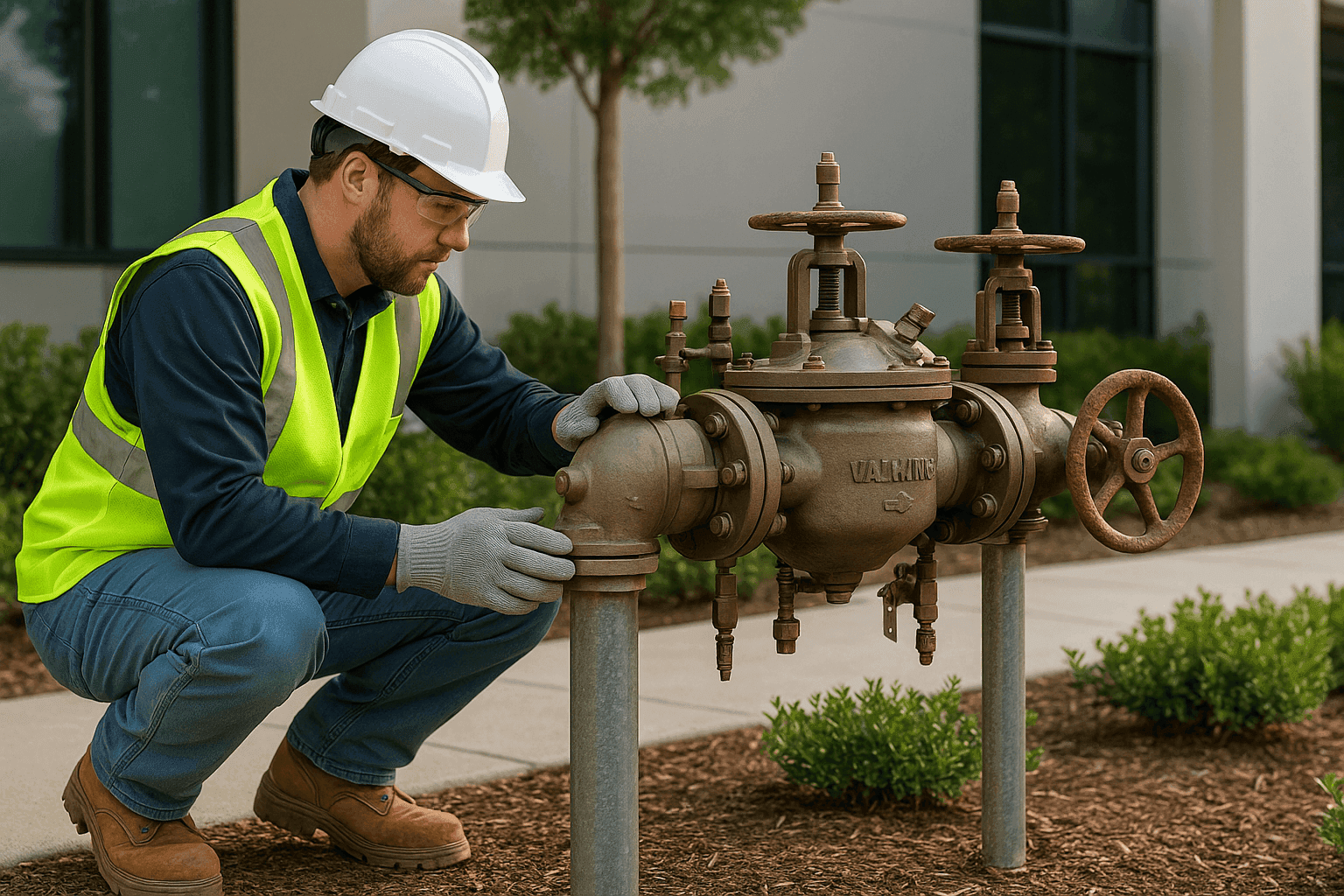
Water is something we often take for granted—until it isn’t clean. You turn on the tap, expecting safe water. But what if something, unseen, flowed the wrong way? That’s backflow. It’s not just a plumbing problem. It’s a threat to your health, your property, and your peace of mind.
At Jelinski Plumbing & Heating, we help homeowners and businesses protect what matters most: safe water. Understanding backflow sounds complicated, but with a few clear facts, you can help keep your water supply secure.
What Is Backflow and Why Does It Happen? 🚰
Imagine your plumbing system as a one-way street. Water should only move from the city main into your building. Backflow is that moment when traffic reverses—dirty water sneaks back into your clean water pipes. It happens more often than you might expect.
What Causes Backflow?
- Backpressure: When pressure inside your plumbing gets higher than the supply pressure (think: a powerful boiler or pump), water is forced backwards.
- Backsiphonage: Like sucking on a straw, if city water pressure drops suddenly (for example, during a fire hydrant emergency), contaminated water can get pulled into your home or business lines.
Real-World Risks
Backflow can carry all sorts of contaminants: fertilizers, chemicals, bacteria—even sewage. Picture a garden hose lying in a puddle of lawn chemicals. Without protection, a sudden drop in water pressure could draw those chemicals straight into your kitchen tap.
Backflow Devices Explained 🛡️
Backflow prevention devices are like locks on your plumbing system’s front door. They make sure water only flows the right direction.
Types of Backflow Devices
- Atmospheric Vacuum Breakers (AVBs): Simple, often used for outdoor spigots.
- Pressure Vacuum Breakers (PVBs): Common for irrigation systems.
- Double Check Valve Assemblies (DCVAs): Suitable for low hazard commercial/residential systems.
- Reduced Pressure Zone Assemblies (RPZs): The gold standard for high-hazard applications, like restaurants or medical buildings.
Each works a little differently, but the goal is the same: keep dangerous water out.
Where Are They Installed?
- Irrigation systems
- Fire suppression lines
- Commercial kitchens
- Residential water mains
- Boiler feed lines
For new builds or renovations, backflow prevention is often required by local plumbing code.
The Importance of Regular Testing 🧪
Just installing a device isn’t enough. Like a smoke detector, a backflow preventer must work when you need it. Most city and provincial codes (like the National Plumbing Code of Canada or the Uniform Plumbing Code in the U.S.) require annual testing by certified professionals.
Signs Your System Needs Testing
- Sudden drops in water pressure
- Discolored or foul-smelling water
- Noticeable debris in your water
- It’s been over a year since your last test
Ignoring these signs can lead to dangerous contamination. Regular testing is your safety net.
Commercial vs. Residential Requirements 🏢🏠
Backflow isn’t just a commercial problem. Both homes and businesses need to take it seriously.
Residential
- Typical risks: garden hoses, sprinkler systems, boilers, pool fills
- Code may require devices for irrigation or private wells
Commercial
- Higher risks: chemical connections, industrial equipment, restaurant dishwashers
- More stringent testing and reporting requirements
Many municipalities require proof of annual backflow testing—especially for businesses. Failing to comply can mean fines or even water shutoff.
Choosing the Right Professional 👷
Backflow prevention isn’t DIY-friendly. Installing or testing these devices is like doing your own electrical work—dangerous if you don’t have the right tools and training.
Why Hire a Certified Pro?
- Legal compliance: Only certified testers meet city requirements.
- Accurate reporting: Local authorities often require paperwork.
- Peace of mind: Proper installation and testing protect your water—and your neighbors’.
Trying to save a few dollars with a shortcut can backfire. The risks are simply too high.
Practical Tips for Property Owners
- Know your systems: Identify where backflow devices are installed.
- Keep records: Log installation and testing dates.
- Check local codes: Requirements can vary by municipality.
- Schedule annual tests: Don’t wait for signs of a problem.
- Educate staff or family: Make sure everyone knows not to tamper with devices.
Quick Safety Checklist 🔎
- Never submerge hoses in pools, buckets, or chemicals.
- If you have an irrigation system, ensure it has a working backflow preventer.
- Notice water quality changes? Call for professional testing right away.
- Don’t ignore city notices about annual backflow testing.
Legal and Compliance Basics
Backflow prevention is regulated for a reason. Guidelines are set by authorities like Health Canada, the International Association of Plumbing and Mechanical Officials (IAPMO), and your local municipality. Non-compliance isn’t just risky—it’s often illegal.
When Should You Call a Pro?
- You’re installing new plumbing, like a sprinkler system or boiler.
- You’ve received a city notice for required testing.
- You notice water pressure changes, bad smells, or discoloration.
- You’re unsure if you have backflow protection at all.
FAQ: Your Backflow Questions Answered
What’s the most common cause of backflow?
Pressure changes—often from firefighting, water main breaks, or pumps—cause most incidents.
How often should backflow devices be tested?
Annually, or more frequently if your system is high-risk.
Can I install my own backflow device?
Most codes require certified professionals for installation and testing.
What happens if a device fails a test?
It must be repaired or replaced immediately to keep your water safe.
Local and Seasonal Considerations
- Spring/fall: System checks are crucial before and after irrigation season.
- Cold climates: Freezing temps can damage devices—schedule winterization if needed.
- Heavy rains: Flooding or water main breaks increase the risk of backflow events.
Final Thoughts: Keep Water Safe for All
Backflow can threaten more than your property. It can affect your whole community. Professional backflow prevention is about doing your part to keep water safe, clean, and reliable.
Call Jelinski Plumbing & Heating now — or reach us anytime at 844-484-6591 .