Sewer Line Problems: Warning Signs & When to Replace
Sewer line problems can creep up on you. Slowly at first. Then, all at once—the unmistakable smell, the gurgle of drains, the patch of soggy lawn you hope is just rain. Whether you own a home or run a business, these are headaches nobody wants. At Jelinski Plumbing & Heating, we’ve seen every kind of sewer surprise out there.
Delaying repairs can turn a minor issue into a major mess. Let’s break down the warning signs, causes, and what to do if your sewer line starts acting up. Get ahead of emergencies—know what to watch for and when it’s time to call in the professionals.
Top Warning Signs of Sewer Line Trouble 🚨
When a sewer line starts to fail, it rarely happens overnight. Here’s what to look for:
- Slow Drains: If sinks, tubs, or toilets drain like lazy rivers, it’s a red flag. One slow drain might be a clog; several slow drains could mean a bigger problem in your main line.
- Foul Odors: That rotten egg smell isn’t just unpleasant—it’s a warning. Sewer gas escaping from cracks or blockages signals trouble deep in your system.
- Soggy Lawns or Unusual Green Patches: Is your grass suddenly thriving in one area? Or do you have mysterious puddles even in dry weather? Underground leaks can saturate soil, feeding plants and creating mud patches.
- Gurgling Sounds: Toilets or drains making odd noises? Air might be trapped by a blockage, causing bubbling or gurgling.
- Backups and Overflows: Water coming up where it shouldn’t—especially after using appliances—means waste isn’t flowing out as it should.
Ignoring these signs is like letting a leaky roof drip until it caves in. Early action can save your property, health, and wallet.
Underlying Causes: What’s Really Happening?
Sewer line problems aren’t always about what goes down the drain. Often, it’s what’s happening underground:
Common Culprits
- Tree Roots: Roots love moisture. Even a tiny crack in a pipe can attract them. Over time, roots snake inside, blocking or breaking pipes.
- Aging or Corroded Pipes: Older homes often have clay, cast iron, or Orangeburg pipes. These materials weaken, crack, or collapse with age.
- Blockages: Grease, wipes, and foreign objects can build up over years. Sometimes, a single flush is all it takes to trigger a blockage.
- Ground Movement: Heavy rains, freezing, and thawing can shift soil, stressing or breaking pipes—especially after storms or harsh winters.
- Poor Installation: Sometimes, the problem starts on day one. Incorrectly sloped or joined pipes are prone to constant trouble.
Sewer Line Inspection Methods
You can’t fix what you can’t see. Here’s how professionals pinpoint sewer line issues:
Camera Inspection 🎥
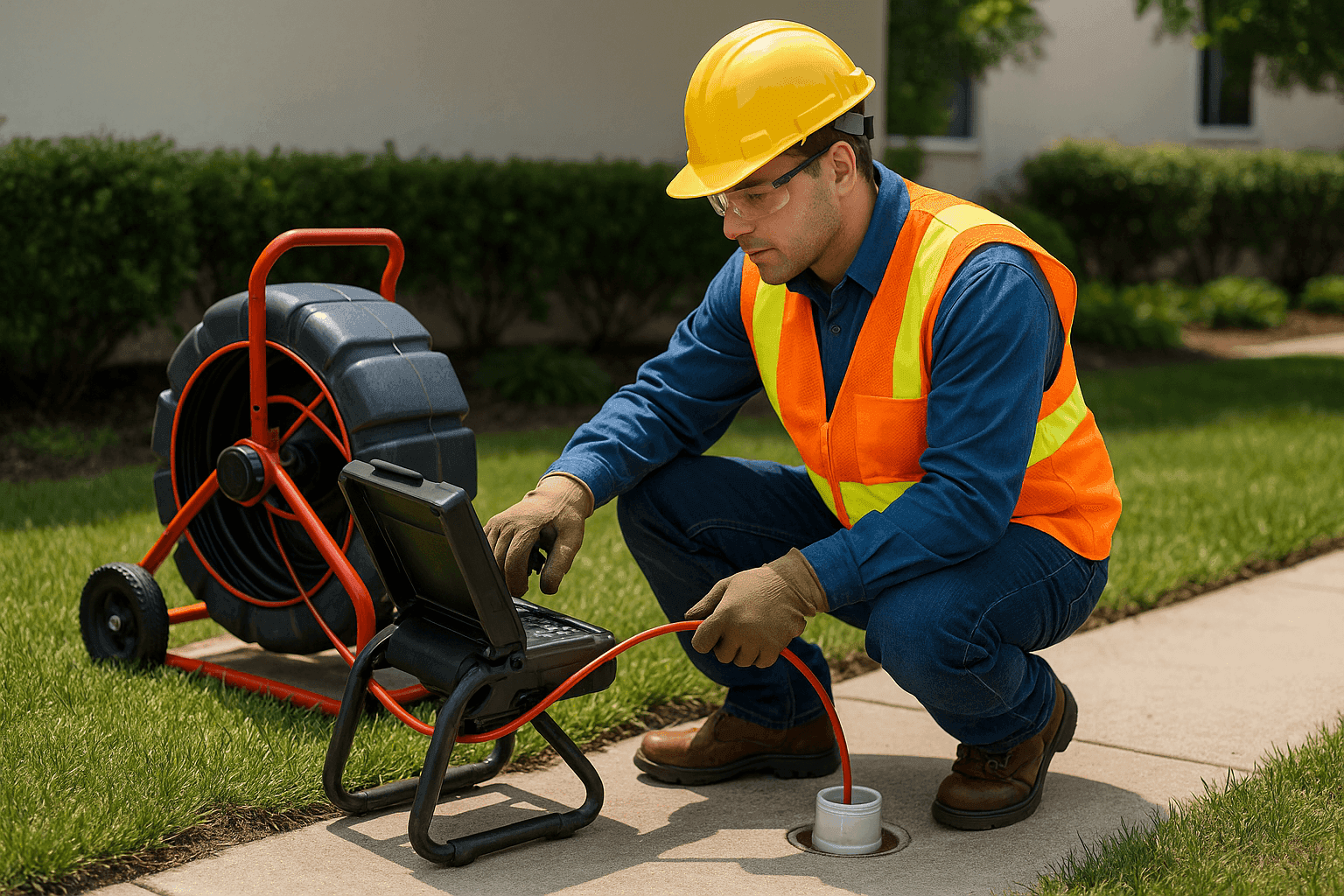
A waterproof, high-definition camera is fed into your pipes. This “sewer selfie” shows real-time images of blockages, cracks, and root invasions. It’s the gold standard for accurate diagnosis.
Professional Assessment
Experienced plumbers look for clues both inside and outside your property. They’ll listen for sounds, check for pressure changes, and trace the path of your main line. In some cases, smoke tests or dye testing helps identify hidden leaks.
Why DIY Inspections Fall Short
Store-bought snakes or chemicals might clear a small clog, but they can’t see inside pipes. Without a camera inspection, you’re guessing. That’s risky.
Replacement vs. Repair: How to Decide
Sometimes, a quick fix works. Other times, you need to start fresh.
When Repair Makes Sense
- Localized damage (one small crack or blockage)
- Newer pipes with an isolated problem
- Cost is a concern and replacement isn’t urgent
When Replacement is Best
- Widespread or repeated issues
- Pipes made of outdated or unsafe materials
- Severe root intrusion
- Multiple leaks or collapses
Cost Factors
- Length and Depth of Line: Deeper, longer lines cost more to access and fix.
- Type of Repair: Trenchless techniques (like pipe lining or bursting) can save your yard but may cost more upfront.
- Permits and Local Codes: Some cities require specific materials or inspections. Always follow local building and plumbing codes—refer to the International Plumbing Code (IPC) or local authorities for guidance.
New Techniques
Today’s repairs aren’t always about digging up your entire yard. Trenchless “no-dig” options can reline or replace pipes with minimal disruption.
Seasonal Risks: How Weather Impacts Sewer Lines 🌧️
Sewer lines aren’t immune to the seasons.
- Storms: Heavy rain can flood or saturate soil, causing shifts that crack or misalign pipes.
- Freezes and Thaws: Cold snaps can make pipes brittle. Rapid thawing leads to ground movement, stressing joints and connections.
- Drought: Dry, shrinking soil can pull away from pipes, leaving them unsupported.
If you notice new problems after a big storm or freeze, don’t wait. Quick checks can prevent bigger headaches.
Health & Safety Implications
A broken sewer line isn’t just a plumbing nuisance.
- Contaminated Water: Leaks can let untreated sewage seep into soil or groundwater—posing serious health risks.
- Mold and Bacteria: Wastewater backups create perfect conditions for mold and harmful bacteria inside your home or business.
- Structural Damage: Persistent leaks can weaken foundations and floors.
The Centers for Disease Control and Prevention (CDC) warns that exposure to raw sewage can cause serious illness. Don’t take chances with your health.
Preventative Tips to Reduce Sewer Line Risk
A little care goes a long way. Here’s how to lower the odds of sewer line disasters:
- Watch What You Flush: Only toilet paper and human waste should go down toilets. No wipes, grease, or feminine products.
- Regular Inspections: Have a professional inspect your lines every few years—especially in older buildings.
- Tree Placement: Plant trees away from sewer mains. Remove roots that threaten pipes.
- Drain Cleaning: Schedule drain cleaning to keep buildup at bay.
- Backflow Prevention: Install and test backflow devices as required by local code.
- Know Your Pipes: If your home is older, find out what kind of pipes you have. Some materials are more likely to fail.
The Importance of Professional Diagnostics
Guesswork in plumbing is like driving with your eyes closed. Professional diagnostics—using cameras, pressure tests, and skilled assessment—let you see the real problem. This avoids unnecessary digging, keeps repairs targeted, and saves money in the long run.
What to Expect: From Inspection to Solution
When you call a plumbing professional for sewer line issues, here’s what usually happens:
- Initial Assessment: The plumber listens to your concerns and inspects visible signs.
- Camera Inspection: A camera is inserted to spot damage, roots, or blockages.
- Diagnosis & Options: You get a clear rundown of what’s wrong and what it’ll take to fix it.
- Repair or Replacement: Depending on the severity, repairs or a full replacement are scheduled.
- Final Testing: After work, your system is tested to ensure proper flow and safety.
When It’s an Emergency
Don’t wait if you have:
- Sewage backing up into living or working areas
- Multiple drains clogged at once
- Water leaking from walls or foundation
- Strong, persistent sewer odors indoors
These are urgent health and safety risks. Immediate action is needed.
FAQ: Common Sewer Line Questions
How long does a sewer line last?
Most modern sewer lines last 50–100 years, depending on materials and conditions. Older clay or Orangeburg pipes can fail much sooner.
Can I repair a sewer line myself?
Simple clogs may be cleared at home, but anything deeper or involving the main sewer line should be handled by professionals. Mistakes can cause costly damage or code violations.
What’s the best way to prevent tree root intrusion?
Keep trees and large shrubs away from sewer lines. Regular inspections catch root growth early, before it becomes a major issue.
Do I need a permit to repair or replace a sewer line?
Usually, yes. Most municipalities require permits and inspections for sewer line work. Always check with your local building department.
Local & Seasonal Considerations
In regions with heavy rain, deep freezes, or shifting soil, sewer lines face extra stress. After major weather events, schedule a quick inspection—even if you don’t see obvious problems. Early detection is your best defense.
For both homes and businesses, regular maintenance is your insurance policy against messy, expensive emergencies.
Sewer line problems don’t have to catch you off guard. Watch for warning signs, know the risks, and call in help when you need it. For reliable diagnostics, repair, and Sewer Line Installation near you, Jelinski Plumbing & Heating is ready to help.
Call Jelinski Plumbing & Heating now — or reach us anytime at 844-484-6591 .