The Homeowner’s Guide to Sewer Line Problems and Solutions
When your home’s plumbing starts acting up, it can feel like a storm cloud rolling in. Sewer line problems don’t just go away—they get worse, fast. If you’re a homeowner or manage a commercial property, understanding the early signs and solutions is the first step to avoiding costly damage.
At Jelinski Plumbing & Heating, we’ve seen it all. From tiny tree roots creeping into pipes to major blockages that shut down businesses overnight. This guide will show you what to watch for, what to do next, and how to keep your plumbing flowing smoothly.
Common Sewer Line Problems
Sewer lines are hidden, but the problems they cause are anything but. Here’s what most property owners face:
- Root Intrusion: Tree roots search for water and nutrients. Sewer lines are an easy target, especially older pipes. They sneak in through tiny cracks and grow, causing slow clogs that become big headaches.
- Blockages: Everything from grease, wipes, and debris to mineral buildup can clog pipes. It starts as a slow drain. Pretty soon, nothing moves.
- Breaks and Collapses: Old, brittle pipes crack under pressure. Sudden shifts in soil, heavy machinery, or simply age can cause pipes to break or collapse.
- Backups: The worst-case scenario. Wastewater has nowhere to go and starts coming back up through your drains—sometimes into your basement, kitchen, or bathroom.
Ignoring any of these issues is like ignoring a leaky roof during a rainstorm. Problems only multiply.
How to Spot Sewer Line Trouble Early 🚨
Most sewer line disasters start with subtle hints. Catching them early can save thousands.
Watch for these signs:
- Gurgling noises in drains or toilets
- Slow draining sinks, tubs, or showers—especially if it’s happening in more than one room
- Unpleasant odors coming from drains or your yard
- Patches of extra-green grass or soggy spots in your lawn (sewage acts as fertilizer)
- Water backing up in the basement, laundry, or lower-level bathrooms after flushing or running appliances
If you spot these, don’t wait. The longer you leave it, the bigger the mess.
Quick Safety Checklist
Before you do anything else, stop and check these safety basics:
- Avoid using sinks, showers, or toilets if you suspect a serious clog or backup.
- Keep children and pets away from any standing water—sewage is a health hazard.
- Turn off water supply to the affected area if possible.
- Never use harsh chemical drain cleaners—they can damage pipes and create toxic fumes.
- If you smell gas or suspect a broken gas line, leave the property and call emergency services.
Safety comes first. Plumbing problems can escalate quickly, especially with sewer or gas lines.
DIY Fixes vs. Calling a Professional
It’s tempting to grab a plunger or rent a drain snake at the first sign of trouble. Sometimes, that works—if the clog is minor and close to the surface.
But for deeper or repeated problems, it’s risky to go solo.
DIY can help if:
- Only one drain is slow or clogged
- There are no sewage smells or gurgling from other fixtures
- You’ve never had sewer line issues in your home before
Call a pro if:
- Multiple drains are slow or backed up
- Water (or worse) is backing up into tubs or sinks
- You hear gurgling or smell sewage in the house or yard
- You see sudden wet spots, greener grass, or even sinkholes outside
- Issues return after DIY fixes
Sewer lines are like arteries for your home. When they’re blocked deep down, only specialized equipment and expertise can safely clear them—otherwise, you risk making things worse or exposing yourself to health hazards.
The Diagnostic Process: What Jelinski Plumbing & Heating Does on Arrival 🛠️
When you call for a sewer line inspection or emergency plumbing, here’s what to expect:
1. Ask and Listen
We’ll ask about what you’ve noticed—noises, smells, slow drains, recent construction, or landscaping changes.
2. Visual Inspection
We start by looking for obvious signs indoors and outdoors: water stains, unusual pooling, or lush patches in your yard.
3. Camera Inspection
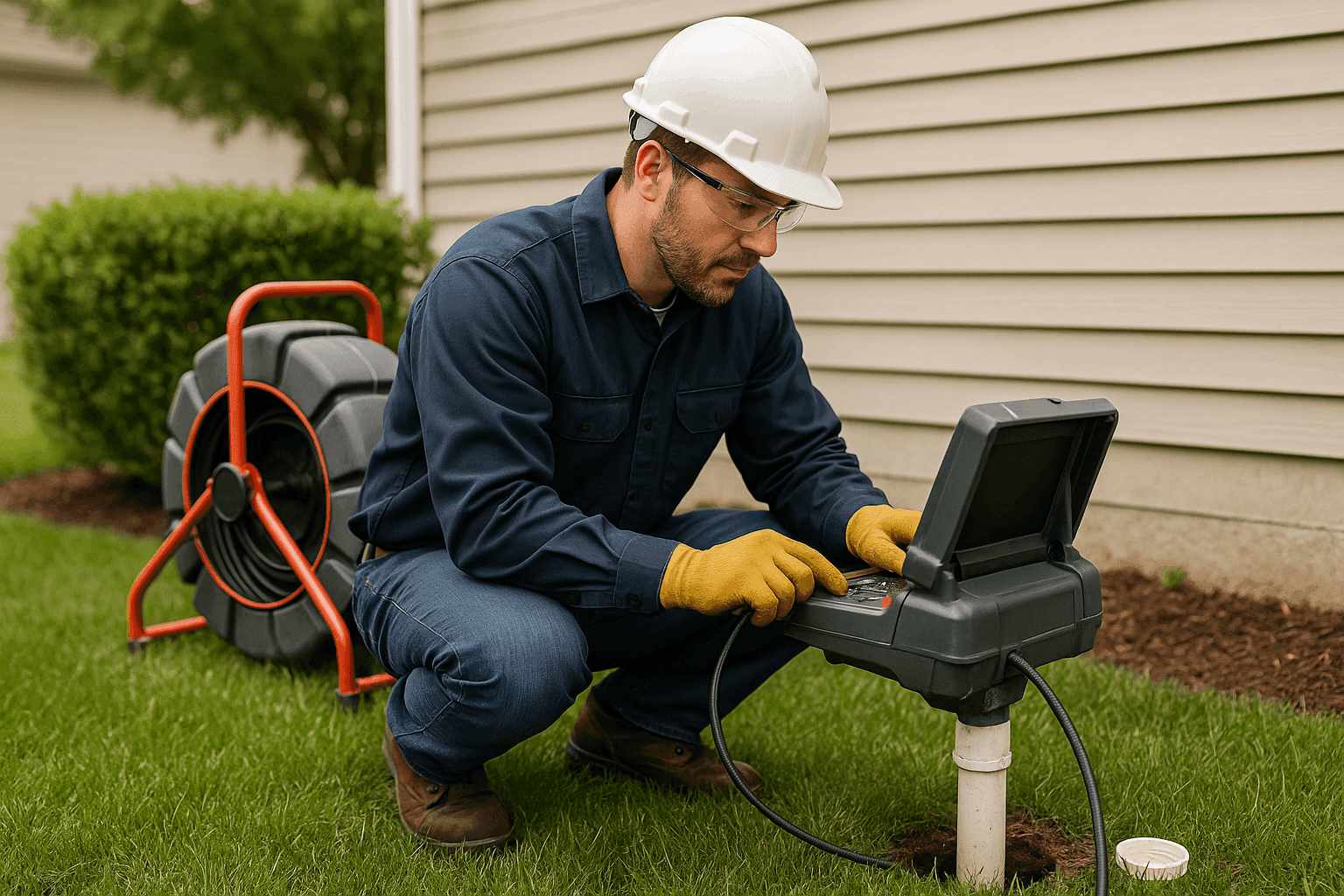
Using a high-resolution sewer camera, we send a flexible cable deep into your sewer line. This lets us see exactly what’s happening—roots, cracks, breaks, or blockages. No guesswork. This method is recommended by the International Association of Plumbing and Mechanical Officials (IAPMO) and is standard on the job.
4. Leak and Pressure Testing
If needed, we test for leaks and check water pressure to spot hidden issues. Low pressure can indicate a break or major blockage.
5. Professional Recommendations
After diagnosis, we’ll explain the problem in plain language and talk through your options—repair, replacement, or maintenance.
Repair Options: Comparing Solutions
Not all sewer line issues need the same fix. Here’s a look at the most common options:
Spot Repairs
For minor cracks or small root intrusions, we can often repair just the affected section. It’s faster and less disruptive, but only works for localized problems.
Full Replacement
If your line is badly damaged, collapsing, or made of outdated materials (like clay or Orangeburg), replacing the whole line may be safer and more cost-effective in the long run.
Trenchless Sewer Repair
Modern technology allows us to fix many sewer issues without digging up your whole yard. Trenchless methods include pipe relining (inserting a new liner inside the old pipe) or pipe bursting (breaking the old pipe and pulling a new one through). It’s quicker, cleaner, and less disruptive.
Traditional Excavation
Sometimes, there’s no way around digging—especially if the pipe has fully collapsed or there are extensive roots. We always minimize disruption and restore landscaping as much as possible.
What affects the choice?
- The type and extent of damage
- Pipe material and age
- Location (under driveways, trees, or buildings)
- Local code requirements (check with your city or the International Plumbing Code)
Preventing Sewer Line Problems
An ounce of prevention is worth a pound of cure—especially when it comes to plumbing.
Here’s how to keep your line healthy:
- Never flush wipes, grease, hygiene products, or “flushable” items—they’re not safe for pipes.
- Keep trees and large shrubs away from sewer lines. If you’re unsure where your line runs, professional inspection can help map it.
- Schedule regular drain cleaning and camera inspections, especially in older homes or properties with a history of issues.
- Install backflow prevention devices to keep city sewer surges out of your home.
- If you have a sump pump, test it seasonally—especially before spring rains or winter thaw.
Preventative maintenance helps catch small issues before they become big, expensive repairs.
What Does It Cost? How Long Does It Take? 💡
Every sewer line repair is a little different. Here’s what goes into costs and timing:
Cost factors:
- The type of problem (clog vs. break vs. full collapse)
- Length, depth, and material of your sewer line
- Repair method (spot repair, trenchless, excavation)
- Access (under a lawn vs. under a driveway or building)
- Permitting and code requirements in your area
Typical timeframes:
- Minor cleaning or spot fixes: a few hours
- Trenchless repairs: 1–2 days
- Full excavation and replacement: 2–5 days, depending on conditions
The best way to get an accurate estimate is a camera inspection and in-person assessment. Always ask about permits and cleanup—professional plumbers leave your property safe and code-compliant.
When It’s an Emergency
Some sewer issues can wait a day or two. Others need urgent attention. Here’s when to call immediately:
- Sewage is backing up indoors, especially above the floor level
- Water or waste is pooling outside near your foundation
- You smell raw sewage or gas in your home
- There’s flooding near electrical outlets, appliances, or gas lines
Don’t try to fix major backups on your own. Sewage carries bacteria and viruses, and gas leaks are life-threatening. Evacuate if you suspect either, and call for emergency plumbing help.
Frequently Asked Questions
How often should I have my sewer line inspected?
For most homes, every 2–3 years is a safe bet. Older homes, large trees nearby, or past sewer issues? Annual checks may be wise.
Can heavy rain cause sewer backups?
Yes. Stormwater can overwhelm main lines, especially if your system lacks backflow prevention. After heavy rains, watch for slow drains or unusual smells.
Are trenchless repairs as durable as traditional methods?
When done correctly, yes. Trenchless liners and pipes meet modern plumbing codes and last for decades. Make sure your plumber uses certified materials and follows local guidelines.
What’s the most common cause of sewer line failure?
Tree roots top the list. Aging pipes, shifting soil, and flushing the wrong things are close behind.
Seasonal Tip: Protect Your Home During Heavy Rains 🌧️
Spring thaw or sudden summer storms can quickly overwhelm city sewers. If your home is prone to backups, consider:
- Installing or testing a backflow prevention valve
- Ensuring downspouts direct water away from your foundation
- Scheduling a camera inspection before rainy season hits
Quick action now can save you heartache later.
If your drains are slow or you suspect a sewer line issue, don’t wait for disaster to strike. Call Jelinski Plumbing & Heating now — or reach us anytime at 844-484-6591 .