Preventative Plumbing Maintenance Tips to Avoid Costly Repairs
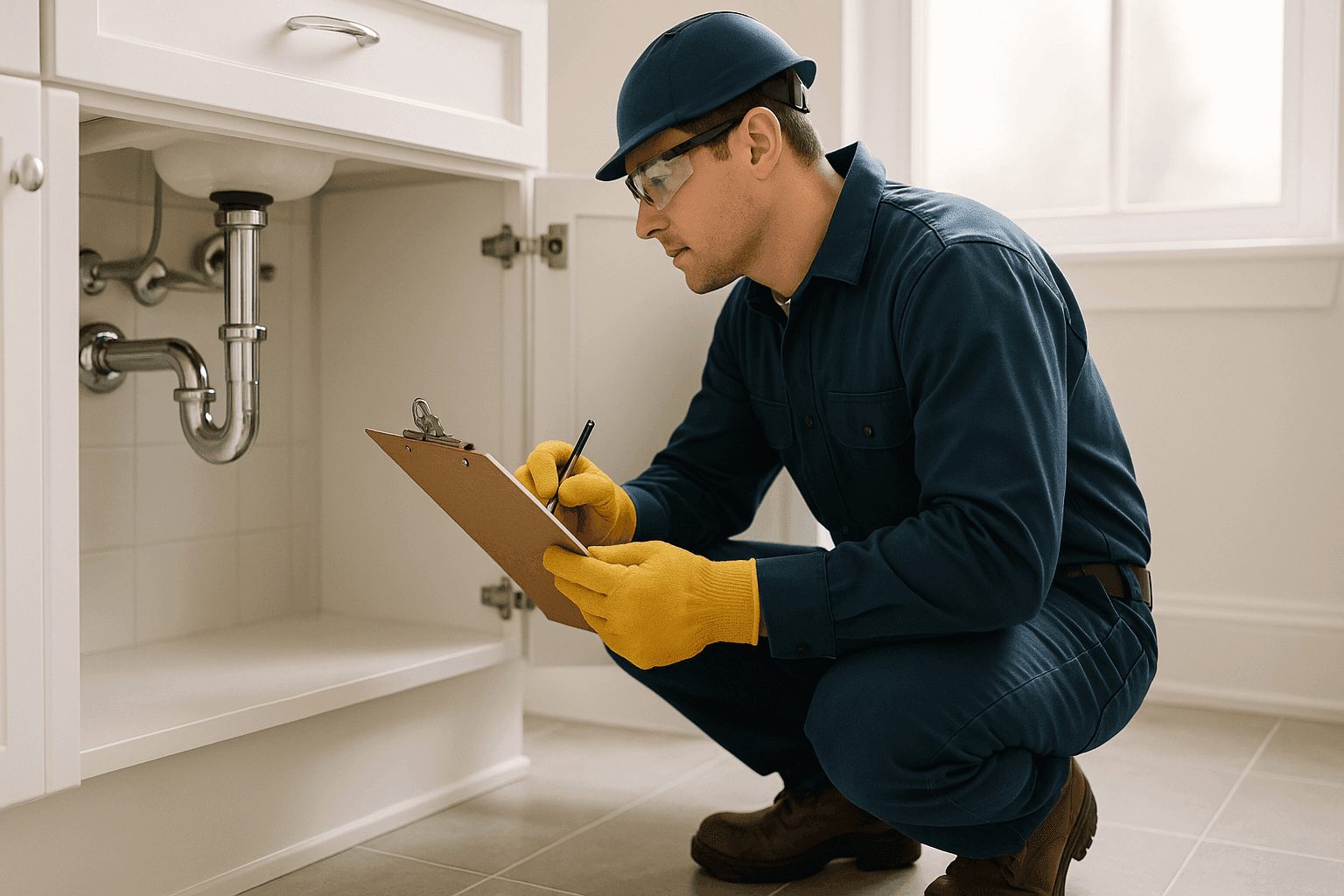
When it comes to plumbing, out of sight too often means out of mind—until something leaks, bursts, or backs up. That’s when panic sets in. At Jelinski Plumbing & Heating, we know that most plumbing emergencies are preventable with the right maintenance. And it’s not just about avoiding disasters. Regular care can extend the lifespan of your plumbing, keep water bills in check, and help your home or business run smoothly all year.
Let’s break down exactly how you can keep your plumbing system in top condition—and when you really need a certified professional on your side.
Why Maintenance Matters 🛠
Imagine your plumbing like the veins of your building. Day in and day out, water flows for showers, dishes, heating, and more. Over time, small issues—like a slow drain or a tiny leak—turn into big headaches. Without maintenance, you’re rolling the dice on water damage, mold, expensive repairs, and even health hazards.
Here’s why preventative plumbing maintenance pays off:
- Stops leaks before they become floods. A dripping pipe today can become a burst tomorrow.
- Protects your investment. Plumbing repairs—especially for things like sewer line installation or water heater repair—can be costly if left unchecked.
- Keeps water clean and safe. Systems like water filtration and backflow prevention must work reliably.
- Saves money on utilities. Leaks and inefficient fixtures waste water and energy.
- Reduces emergency calls. No one wants a midnight pipe burst or a holiday backup.
Professional organizations like the International Association of Plumbing and Mechanical Officials (IAPMO) and local building codes all stress the importance of planned inspections for safety and efficiency.
Monthly & Seasonal Plumbing Checklist
Keeping your plumbing healthy doesn’t have to be overwhelming. Regular, simple steps can make a world of difference.
Every Month
- Check for leaks. Look under sinks, near water heaters, and around toilets for dampness or small puddles.
- Run water in unused sinks. Prevent sewer gases from entering your home.
- Clean drains. Use a hair catcher in bathroom drains and clear debris in kitchen sinks.
- Inspect visible pipes. Look for corrosion, rust, or mineral buildup.
Every Season
Spring
- Test sump pump. Make sure it runs before heavy rains hit.
- Inspect outdoor faucets and hoses. Look for cracks from freezing temps.
- Flush water heater. Remove sediment for better efficiency.
Summer
- Check for slow drains. Increased use during gatherings puts extra strain on the system.
- Inspect sprinkler systems. Look for leaks or broken heads.
Fall
- Insulate exposed pipes. Especially if you live where freezes happen.
- Shut off and drain outdoor faucets. Prevent burst pipes when winter arrives.
Winter
- Keep heat on in cold snaps. Pipes need warmth to prevent freezing.
- Open cabinet doors under sinks. Allows warm air to reach pipes.
- Know your main shut-off valve. In case of a burst, you’ll need to act fast.
Holiday Readiness 🎁
- Check guest bathrooms and kitchens. Make sure fixtures are working and drains are clear before hosting.
- Remind everyone what not to flush or drain. Grease, wipes, and food scraps belong in the trash, not your pipes.
After Storms or Freezes
- Inspect for leaks or bursts. Walk your property to look for soggy spots, unusual puddles, or dripping sounds.
- Check basement and crawl spaces. Especially after heavy rain or thawing.
Common Preventable Issues
Why do so many plumbing emergencies happen at the worst time? Because small problems go unnoticed. Here are some of the most common—yet easily preventable—issues:
- Clogged drains: Hair, grease, and debris slowly build up. Regular drain cleaning keeps things flowing.
- Leaking faucets or toilets: A worn washer or faulty seal can waste thousands of gallons a year.
- Low water pressure: Often caused by mineral buildup, leaks, or faulty fixtures.
- Corroded or old pipes: Over time, pipes weaken—especially in older buildings. Early detection saves big headaches.
- Water heater trouble: Sediment buildup or unnoticed leaks can lead to cold showers or costly replacements.
- Backflow risks: Without backflow prevention or testing, contaminated water can enter your supply.
When to Get Professional Help
Some plumbing jobs are like car repairs—you can handle the basics, but certain things need a skilled mechanic. Here’s when calling a certified plumber (like Jelinski Plumbing & Heating) is the safest move:
- Sewer line installation or repair: These systems are complex and governed by strict codes.
- Water heater repair or installation: Mishandling can cause leaks, water damage, or even gas hazards.
- Gas line installation or safety checks: Gas is never a DIY project.
- Major leaks or burst pipes: Fast, professional leak detection and repair prevents further damage.
- Fixture installation: Improper installation leads to leaks and water waste.
- Persistent low pressure or backups: Could signal deeper issues within your plumbing or sewer line.
Remember: Only certified plumbers are trained to test, inspect, and repair these systems according to local and national safety codes, such as those from the American Society of Plumbing Engineers (ASPE).
What to Expect From a Pro
When you call in a certified plumber, here’s what typically happens:
- Thorough inspection: From fixtures to pipes, a detailed look for hidden issues.
- Code-compliant repairs: All work follows safety and building regulations.
- Specialized tools: From video sewer line inspections to leak detection gear.
- Transparent communication: You’ll know what’s needed and why—no surprises.
Real-World Maintenance Tips
Building strong plumbing habits now prevents headaches later. Here are practical steps you can take:
- Don’t ignore small leaks. Even a slow drip can signal a bigger problem.
- Use strainers in sinks and showers. Catch hair, debris, and food before they clog pipes.
- Avoid chemical drain cleaners. They can damage pipes—opt for mechanical cleaning or call a pro.
- Flush only toilet paper. Anything else can cause a blockage.
- Test water pressure annually. Too high or too low? Both can cause damage over time.
- Schedule annual inspections. A professional check catches what you might miss.
Holiday and Seasonal Special Considerations 🎄
Holidays bring guests, big meals, and extra strain on every pipe and fixture. Prep like you would for a big game:
- Unclog toilets and drains before guests arrive.
- Double-check your water heater. No one likes a cold shower after a long drive.
- Remind family—no grease down the drain!
- Have Jelinski Plumbing & Heating’s number handy in case of emergencies.
After winter storms or deep freezes:
- Inspect attic and crawl space pipes.
- Look for water stains or new drips.
- If you suspect a frozen pipe, shut off water and call a pro.
Frequently Asked Questions
How often should I schedule professional plumbing checks?
Once a year is a good rule of thumb for most homes and businesses. If you’ve had previous problems—like pipe bursts, sewer line issues, or water heater repairs—consider more frequent checkups.
Can I handle small leaks myself?
Small leaks under a sink may be manageable if you have plumbing experience. But if you see signs of water damage, mold, or can’t find the source, call a professional.
Are chemical drain cleaners safe?
Most chemical drain cleaners can damage pipes and are best avoided. Use a plunger or a mechanical snake, or reach out for professional drain cleaning if you’re dealing with persistent clogs.
What should I do if my pipes freeze?
Turn off your main water supply immediately to prevent bursting. Open faucets to relieve pressure, and call Jelinski Plumbing & Heating for help thawing and repairing any damage.
Building Longevity Into Your Plumbing
Just like regular oil changes keep your car running, preventative plumbing maintenance protects your property and wallet. A little attention now—through leak checks, drain cleaning, fixture inspections, and prepping for weather—goes a long way. And when you need help, always trust a certified, code-compliant professional for safe, lasting repairs.
Call Jelinski Plumbing & Heating now — or reach us anytime at 844-484-6591 .