Essential Plumbing Maintenance Tips to Prevent Costly Repairs
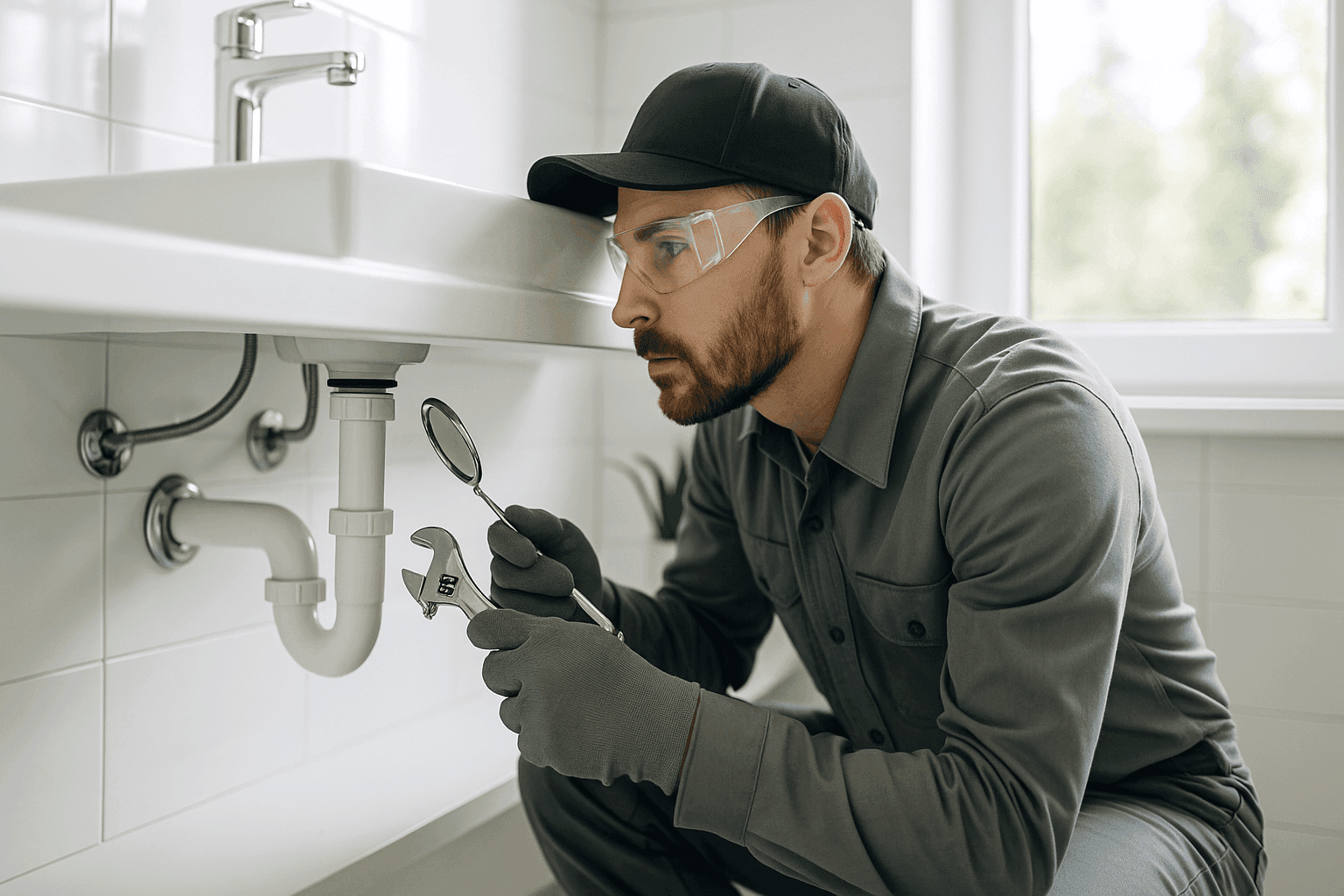
When a leaky faucet turns into a flood, the costs add up fast. One missed drip can swell into thousands in repairs. Whether you own a cozy bungalow or manage a bustling office, regular plumbing maintenance isn’t just smart—it’s essential.
At Jelinski Plumbing & Heating, we see firsthand how a little prevention today can save massive headaches tomorrow. Here’s your go-to guide for keeping your water flowing smoothly and your plumbing bills low.
Why Plumbing Problems Grow Fast
Water is a silent intruder. A pinhole leak or a slow drain can sneak up, quietly damaging floors, walls, or even your foundation. A single missed sign—like a musty smell or a faint rattle—can balloon into a costly overhaul.
For both homes and commercial spaces, maintenance isn’t a luxury. It’s your shield against disruption, water damage, and emergency calls in the middle of the night.
Quick Safety Checklist 🚨
Before you reach for a wrench, make safety your first step. Here’s a quick checklist for every property owner:
- Know where your main water shut-off valve is—and label it.
- Turn off power before touching any electric water heater or boiler.
- Never use household tools on gas lines; call a licensed plumber.
- Wear gloves and goggles for drain or fixture work.
- Ventilate spaces when working with chemicals or in confined areas.
- Keep children and pets away from your work zone.
Staying safe is non-negotiable. The National Institute for Occupational Safety and Health (NIOSH) recommends protective equipment and safe handling of plumbing chemicals.
DIY or Call a Pro?
Some tasks fit easily in your weekend lineup. Others need a trained hand.
DIY Maintenance:
- Tighten loose faucets and handles.
- Clear minor clogs with a plunger or hand auger.
- Clean out faucet aerators and showerheads.
- Check for visible leaks under sinks and behind toilets.
- Flush water heaters to remove sediment (if your manual allows).
Call a Pro For:
- Sewer Line Installation near you
- Persistent or hidden leaks (especially in walls or ceilings)
- Gas line work, including repairs and safety checks
- Water heater repair or replacement
- Backflow prevention device installation and testing
- Major fixture installations (showers, bathtubs, commercial sinks)
When in doubt, err on the side of caution. Improper repairs can void warranties or violate local plumbing codes.
What Pros Do On Arrival
When you contact a licensed plumber from Jelinski Plumbing & Heating, here’s what you can expect:
- Assessment: We inspect the problem area, checking for visible signs and hidden issues.
- Testing: For leaks, we may use ultrasonic detectors or thermal imaging. For backflow, we conduct standardized tests as recommended by the Canadian Standards Association (CSA B64).
- Diagnosis: We explain the cause, not just the symptom—whether it’s a failing seal, a corroded pipe, or an aging water heater.
- Plan: You get a clear outline of the next steps and any options for repair or replacement.
Our licensed professionals follow all local building codes and safety standards for your peace of mind.
Prevention & Maintenance: The Essential Checklist
A little attention goes a long way. Here’s how to keep your plumbing healthy all year:
Fixture Checks
- Inspect faucets, toilets, and showerheads each month.
- Listen for rattling pipes or irregular noises.
- Test for slow drains—standing water is a warning sign.
Leak Monitoring
- Look for signs of moisture under sinks or around baseboards.
- Watch your water bill for unexpected jumps.
- Check exposed pipes for corrosion, rust, or mineral buildup.
Drain Cleaning
- Avoid chemical drain cleaners; use a drain snake or call Jelinski Plumbing & Heating.
- Install mesh strainers in sinks and showers to catch hair and debris.
- Schedule professional drain cleaning annually for busy kitchens or heavy-use commercial spaces.
Water Heater Care
- Drain a quart of water from your tank every 6–12 months to flush out sediment (per manufacturer’s guidelines).
- Inspect for rust on the tank or water around the base.
- Set the thermostat to 120°F (49°C)—hot enough for safety, low enough to save energy and prevent scalding.
Sewer Line and Backflow Protection
- Arrange regular Sewer Line Inspection near you, especially in older properties or high-traffic businesses.
- Install backflow prevention devices, and test them yearly to comply with municipal codes.
Sump Pump Upkeep
- Test your sump pump every spring and fall: pour water into the pit and watch for proper operation.
- Clean the pump inlet screen and check the discharge pipe for blockages.
Record-Keeping
- Log all maintenance and repairs, with dates and details.
- Keep manuals, receipts, and inspection certificates in a safe place.
Detailed records help spot patterns and prove compliance with insurance or code requirements.
Costs & Time Factors
Plumbing maintenance pays for itself. A simple leak repair may take under an hour and cost less than a dinner out. Ignoring it? You could face thousands in water damage and days of disruption.
- Annual drain cleaning: 1–2 hours
- Water heater flush: 30–60 minutes
- Leak detection: 30–90 minutes
- Sewer line inspection: 1–3 hours
Major repairs—like repiping or Sewer Line Installation near you—are more involved but can prevent catastrophic failures down the line.
When It’s an Emergency
Some plumbing issues can’t wait:
- Burst pipes or gushing leaks
- No hot water in a commercial kitchen or care facility
- Flooded basements or failed sump pumps
- Gas smell or suspected gas line leak
Turn off the water (and gas, if needed), clear the area, and call Jelinski Plumbing & Heating immediately. Safety first, always.
FAQ: Common Plumbing Maintenance Questions
How often should I schedule professional plumbing inspections?
For most homes, once a year is ideal. Commercial buildings or older properties should consider inspections every six months.
What’s the biggest sign of hidden leaks?
A sudden spike in your water bill, damp spots on walls or ceilings, or musty odors are red flags.
Is hard water bad for my plumbing?
Yes. Mineral buildup can reduce water pressure and shorten the life of fixtures and appliances. Consider a water filtration system if you notice scale.
Can I use chemical drain cleaners?
Avoid them. They can erode pipes and harm the environment. Use mechanical methods or call a professional for stubborn clogs.
Local and Seasonal Considerations 🌧️
Every region faces unique plumbing challenges. In Canada’s prairies, winter can freeze pipes solid. In spring, heavy rains can overwhelm sump pumps and storm drains.
Winterizing Tips:
- Insulate exposed pipes in unheated spaces.
- Disconnect and drain outdoor hoses.
- Keep indoor temperatures above 12°C (54°F), even when away.
Spring & Fall Prep:
- Test sump pumps before rainy seasons.
- Check for signs of root intrusion in sewer lines.
- Clean gutters and downspouts to direct water away from foundations.
Commercial Property Notes:
- Schedule backflow testing before seasonal code deadlines.
- Post shut-off valve locations for staff and tenants.
- Develop an emergency response plan for major leaks or floods.
Being proactive—no matter the season—saves money, stress, and sleepless nights.
A well-maintained plumbing system is the quiet hero behind every comfortable home and smooth-running business. Don’t wait for a drip to turn into a disaster.
Call Jelinski Plumbing & Heating now — or reach us anytime at 844-484-6591 .